The Science of Gambling Addiction: What Neuroscience Tells Us in 2026
The pull of a slot machine or the thrill of a bet isn’t just chance; it’s a complex dance of neurotransmitters and neural pathways that modern science is finally beginning to map. For decades, gambling addiction was viewed primarily through a moral or psychological lens. Today, cutting-edge neuroscience is revolutionising our understanding, revealing it as a tangible disorder of the brain’s wiring and chemistry. In 2026, this UK-led research is moving beyond theory, directly shaping how we diagnose vulnerability, understand relapse, and develop novel treatments for the hundreds of thousands affected in Great Britain.
The Addicted Brain: Key Circuits Hijacked by Gambling
At its core, gambling addiction involves the corruption of the brain’s natural learning and reward systems. Two key regions are central to this process: the deep-seated reward circuitry and the frontal lobe’s control centre. Pioneering work from institutions like the University of Cambridge’s Behavioural and Clinical Neuroscience Institute (BCNI) has been instrumental in showing how repeated gambling behaviour can fundamentally alter communication between these areas, trapping individuals in a cycle of compulsion.
The Dopamine Rush: More Than Just Reward
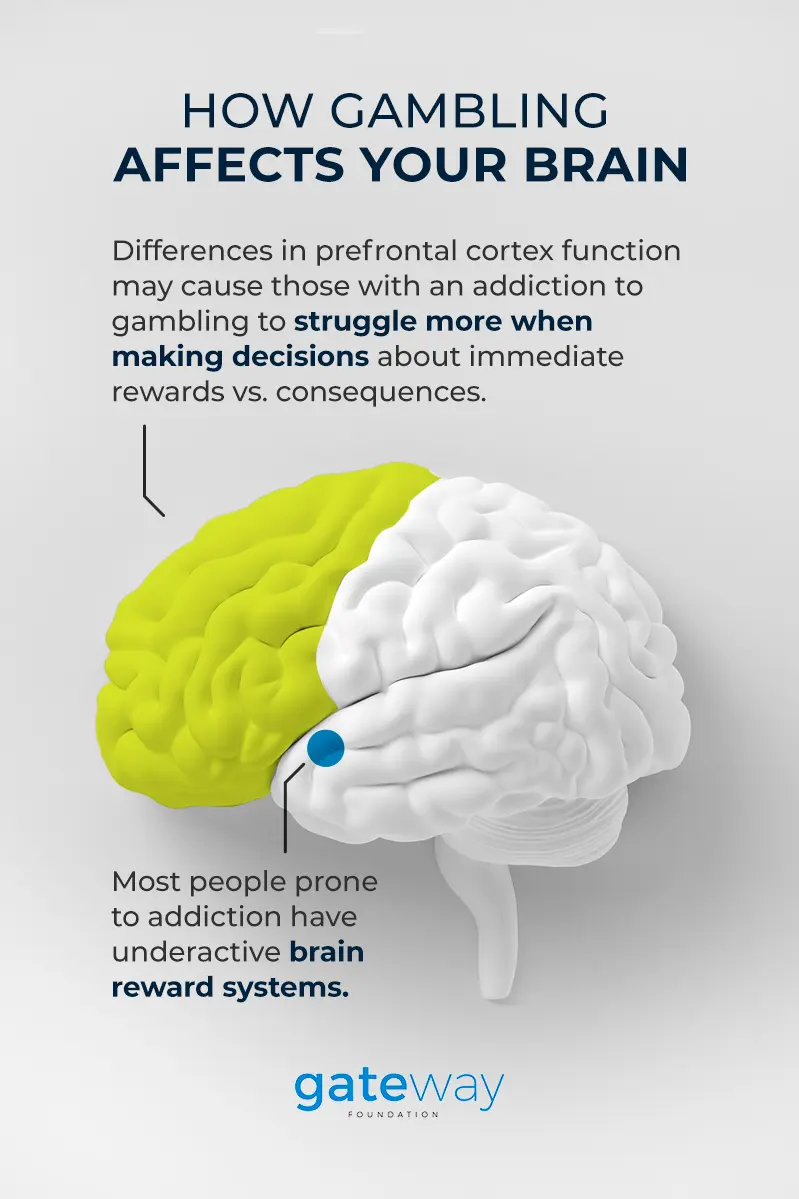
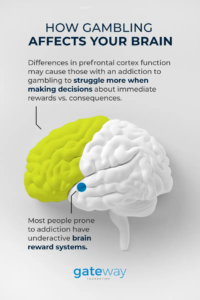
Dopamine, often labelled the ‘feel-good’ chemical, is more accurately a signal for ‘salience’—it highlights what is important and worth pursuing. In gambling, dopamine surges not just on a win, but crucially, during the anticipation of a win. The spin of the roulette wheel, the deal of a card, the whirring of a slot machine—all trigger dopamine release in the mesolimbic pathway. This conditions the brain to crave the act of gambling itself, not the monetary outcome. Over time, this system becomes hypersensitive to gambling cues, flooding the brain with dopamine at the mere sight of a betting shop logo, while becoming less responsive to everyday, healthier rewards.
The Brake Failure: Prefrontal Cortex Dysfunction
If the reward system is the accelerator, the prefrontal cortex (PFC) is the brake. This region governs executive functions: weighing consequences, controlling impulses, and making deliberate decisions. Neuroimaging studies consistently show reduced activity and altered structure in the PFC of individuals with gambling disorder. This ‘brake failure’ explains the profound loss of control and poor decision-making, where the known risks of losing rent money are overridden by the hijacked reward circuit’s intense drive to gamble.
Beyond Dopamine: 2026’s Neurochemical Landscape
While dopamine takes centre stage, the neurochemical orchestra of addiction is far more complex. Contemporary research is unravelling how other key players like glutamate and serotonin interact, offering new targets for intervention. UK-led pharmacological trials are now actively exploring compounds that modulate these systems, moving us toward a more nuanced biological treatment model.
Glutamate and the Urge to Relapse
Glutamate is the brain’s primary excitatory neurotransmitter, crucial for learning and memory. It is now understood to be a key driver of the entrenched ‘habit pathways’ and intense cravings that lead to relapse. During periods of abstinence, glutamate signalling in the nucleus accumbens and orbitofrontal cortex can become hyperactive, creating powerful urges in response to gambling cues. This explains why the urge can feel so automatic and overwhelming, even after a period of control.
Serotonin, Impulsivity, and Co-occurring Disorders
The serotonin system is deeply involved in regulating mood, impulsivity, and behavioural inhibition. Low levels of serotonin activity are strongly linked to impulsive action—acting without forethought. This neurochemical link helps explain the high co-occurrence of gambling disorder with conditions like depression and anxiety. It also underpins why some individuals are predisposed to chase losses aggressively, a hallmark of problematic gambling, as their ability to ‘stop and think’ is chemically diminished.
Genetics and Vulnerability: Is Problem Gambling in Our DNA?
Not everyone who gambles develops an addiction, pointing to significant individual differences in vulnerability. Genetics provides a key piece of this puzzle. Large-scale studies, particularly those utilising the vast biomedical database of the UK Biobank, are quantifying the hereditary component of behavioural addictions like gambling.
Inherited Predispositions and Family Studies
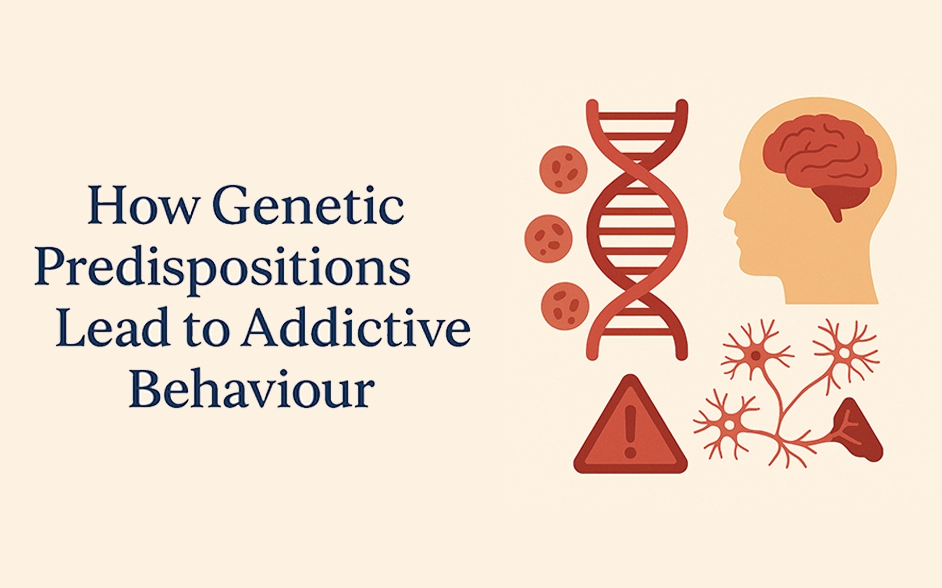
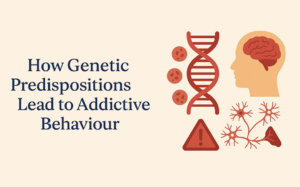
Twin and family studies suggest that approximately 50-60% of the risk for developing problem gambling can be attributed to genetic factors. Researchers are now moving beyond broad estimates to identify specific genetic markers. For instance, variations in genes related to dopamine reception (like DRD2) and glutamate function (like GRIN2B) have been associated with increased susceptibility. This work is crystallising in the development of polygenic risk scores for behavioural addictions, which aggregate the small effects of thousands of genetic variants to estimate an individual’s innate predisposition.
The Interaction: Genes Meet Environment
Genes are not destiny. The modern genetic model is one of gene-environment interaction. A person may carry genetic variants that affect their dopamine response, making them particularly sensitive to reward. If that person is then exposed to high-frequency gambling products (like online slots) during a stressful life period, their genetic risk is ‘switched on’. This complex interplay is a key focus for the National Problem Gambling Clinic in London, which assesses both biological and psychosocial factors to build a complete picture of a patient’s addiction.
Imaging the Gambling Brain: Scans Reveal Habit Pathways
Functional Magnetic Resonance Imaging (fMRI) and Positron Emission Tomography (PET) scans have transformed addiction research from theory to visual science. These technologies allow researchers to observe the addicted brain in real-time, providing objective biomarkers that distinguish problematic from recreational gambling.
fMRI: Watching Cravings in Real-Time
In fMRI studies, participants are shown gambling-related images or videos while inside the scanner. Compared to casual players, the brains of problem gamblers show hyperactivation in two key areas: the ventral striatum (craving and anticipation) and the insula (processing bodily urges and emotional states). This neural signature is so consistent it can be used to predict the severity of a person’s gambling disorder. It visually confirms that craving is a measurable, neurological event.
PET Scans and Neuroreceptor Mapping
While fMRI shows brain activity, PET scans reveal its chemistry. By using radioactive tracers that bind to specific neuroreceptors, scientists can map the density and distribution of dopamine or serotonin receptors in a living brain. Studies using PET have found significant differences in dopamine receptor availability in the striatum of problem gamblers, providing direct evidence of a dysregulated reward system that aligns with their reported lack of pleasure from other activities.
From Lab to Clinic: Emerging Neuroscientific Treatments in the UK
The ultimate goal of this research is to create more effective interventions. In 2026, neuroscience is no longer just explanatory—it is directly generative of new treatment paradigms being trialled in UK clinics.
Neuromodulation: Resetting Brain Circuits
Non-invasive brain stimulation techniques aim to directly correct the circuit imbalances identified by imaging. A prominent example is repetitive Transcranial Magnetic Stimulation (rTMS), which uses magnetic pulses to modulate activity in targeted brain regions. Current trials at Imperial College London are applying rTMS to the prefrontal cortex of individuals with gambling disorder, with the goal of strengthening this ‘brake’ region and reducing craving and impulsivity. Early results show promise in reducing urges and gambling-related thoughts.
Cognitive Therapies Informed by Neuroscience
Psychological therapies are also being refined with neural insights. Cognitive Remediation Therapy (CRT) uses structured exercises to directly train and improve weakened executive functions like decision-making and cognitive flexibility—the very skills governed by the underactive prefrontal cortex. Furthermore, understanding the power of the glutamate-driven habit system reinforces the need for therapies that focus on cue exposure and the development of new, competing habits to override old, pathological pathways.
As we stand in 2026, the neuroscience of gambling addiction offers profound insights and genuine hope. It moves us from blame to biology, providing clear evidence that this is a medical condition, not a moral failing. With The Gambling Commission reporting a problem gambling prevalence of 0.3% in Great Britain, translating to hundreds of thousands of individuals and families affected, the need for evidence-based treatment has never been greater. The future of effective care lies in a truly integrated model: one that uses neuromodulation to recalibrate circuits, cognitive therapy to rebuild control, pharmacology to balance chemistry, and social support to foster recovery. By uniting the brain, the mind, and the environment, we can build a more compassionate and effective response to this complex disorder.


Post Comment
You must be logged in to post a comment.