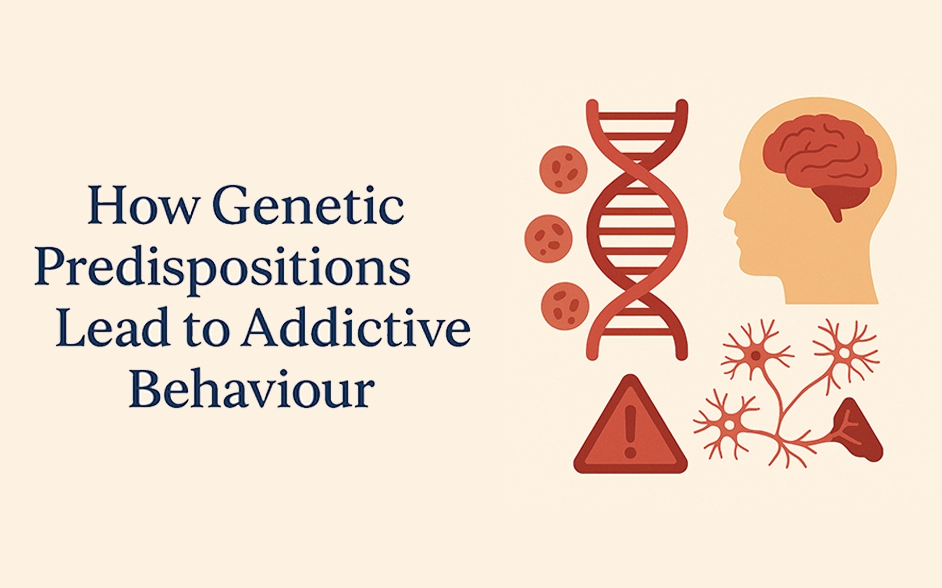
Genetics and Behavioural Addictions: Are Some People More Vulnerable?
We often wonder why some people can gamble casually while others spiral into addiction, and science is revealing that our genes and brains may hold a significant part of the answer. The age-old debate of ‘nature versus nurture’ is being decisively settled in addiction science: it is profoundly both. Groundbreaking research, much of it originating from UK institutions, is mapping the complex biological landscape of vulnerability, transforming our understanding of gambling disorder from a moral failing into a multifaceted health condition. This exploration delves into the genetic blueprints, the neuroscience of the ‘gambler’s brain,’ and how this knowledge is forging new paths in treatment and compassion.
The Blueprint of Addiction: What Genetics Can Tell Us
The question of whether addiction can run in families has moved from anecdotal observation to rigorous scientific inquiry. Studies of twins, particularly those leveraging vast resources like the UK Biobank genetic database, have been pivotal. By comparing identical twins (who share 100% of their DNA) with fraternal twins (who share about 50%), researchers can estimate the heritability of a trait—the proportion of differences in a population attributable to genetic factors.
Heritability Estimates from Twin Studies
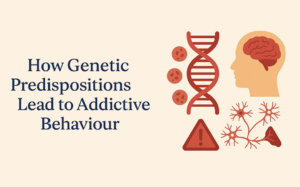
Research from leading centres, such as the Social, Genetic & Developmental Psychiatry Centre (SGDP) at King’s College London, indicates that behavioural addictions, including problem gambling, have a substantial heritable component. Estimates suggest that genetics may account for approximately 50-60% of the vulnerability to developing a gambling disorder. This does not mean there is a single ‘gambling gene,’ but rather that a combination of many genetic variations influences key brain functions related to reward processing, impulse control, and emotional regulation, creating a spectrum of inherent risk.
Key Candidate Genes and Their Functions
Scientists are identifying specific genes that contribute to this vulnerability. A major focus is on the brain’s dopamine system, which is central to how we experience pleasure and motivation. For instance, variations in the DRD2 gene, which codes for dopamine receptors, can affect how efficiently the brain signals reward. Individuals with certain variants may experience a blunted dopamine response, leading them to seek greater stimulation from activities like gambling to achieve a sense of satisfaction. Other genes involved in serotonin regulation (linked to mood and impulsivity) and glutamate systems (involved in learning and habit formation) are also under intense scrutiny.
The Gambler’s Brain: A Neuroscience Perspective
While genetics provides the blueprint, neuroscience shows us the constructed building in action. Using advanced brain imaging techniques like functional Magnetic Resonance Imaging (fMRI), researchers can observe the brains of individuals with and without gambling disorder as they make decisions, anticipate rewards, or experience losses. This work, often conducted in collaboration with treatment centres like the National Problem Gambling Clinic in London, reveals consistent and striking differences.
The Hijacked Reward Pathway
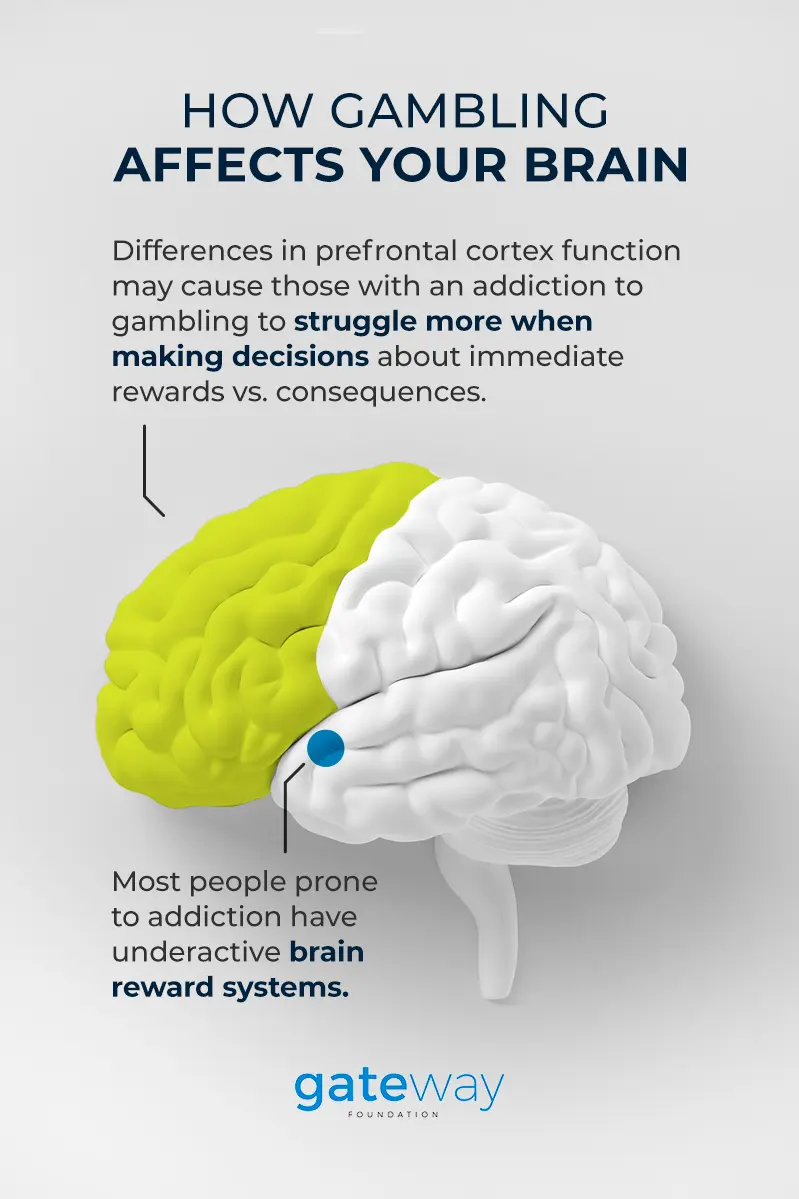
At the core of addiction neuroscience is the mesolimbic reward pathway. When we engage in a rewarding activity, the ventral striatum (a key reward centre) is activated, releasing dopamine and creating a feeling of pleasure. In gambling disorder, this system becomes dysregulated. Surprisingly, research shows that the brains of people with this condition often show a heightened response to the *anticipation* of a win—the ‘near miss’ or the spinning reels—more than the win itself. This hyper-sensitivity to gambling cues can trigger powerful cravings, driving repetitive behaviour even in the face of mounting losses.
Impulse Control and the Prefrontal Cortex
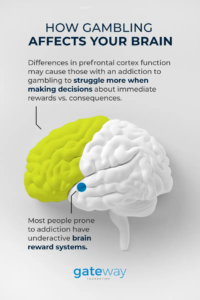
Equally important is the role of the prefrontal cortex (PFC), the brain’s executive control centre responsible for weighing consequences, controlling impulses, and making deliberate decisions. Neuroimaging studies consistently show reduced activity and connectivity in the PFC of individuals with gambling disorder. This impairment helps explain the profound loss of control that characterises addiction: even when the desire to stop is present, the brain’s ‘brakes’ are functionally weakened, making it extraordinarily difficult to resist urges.
Beyond DNA: The Crucial Role of Environment
Genetic risk is not destiny. It represents a loaded gun, but the environment pulls the trigger. The modern understanding is one of gene-environment interaction, where life experiences can activate or suppress genetic vulnerabilities. This is where the UK’s specific context becomes critically important in understanding the prevalence and patterns of problem gambling.
Stress, Trauma, and Epigenetics
Early life adversity, chronic stress, or trauma can have a profound impact on brain development and function. The field of epigenetics studies how environmental factors can alter the expression of our genes without changing the DNA sequence itself. Stress hormones can effectively ‘switch on’ risk genes that might otherwise have remained dormant. For someone with a genetic predisposition, experiencing trauma can significantly increase their likelihood of developing addictive behaviours as a maladaptive coping mechanism.
The Modern Gambling Landscape as a Trigger
The environment of gambling itself has been radically transformed, creating a perfect storm for those at risk. The UK’s high density of betting shops in deprived UK areas creates a physical environment of easy access and normalisation. More potent still is the digital environment:
- 24/7 access via smartphones and online casinos.
- Sophisticated game design features (like ‘spin again’ prompts and loss disguisers) that exploit psychological vulnerabilities.
- Aggressive advertising and ‘free bet’ offers that serve as constant cues.
For an individual with a genetic and neurobiological vulnerability, this omnipresent, high-stimulus environment can rapidly accelerate the transition from casual play to addiction.
The UK’s Frontline: Research and Treatment Insights
The United Kingdom is at the forefront of integrating this science into both research and clinical practice. A unique ecosystem of healthcare, academia, and charitable funding is producing world-leading insights.
NHS-Funded Treatment and the Clinic Model
The National Problem Gambling Clinic (NHS, London) is a beacon of this integrated approach. As a specialist NHS service, it not only provides cognitive behavioural therapy and family support but also actively participates in research. Clinicians work alongside neuroscientists and geneticists, allowing treatment insights to inform research questions and for biological findings to refine therapeutic strategies. This model validates addiction as a serious health condition deserving of specialist medical care.
How UK Research is Shaping Global Understanding
UK research initiatives are uniquely positioned to unravel the complexity of gambling addiction. Charities like GambleAware fund critical studies across the biological and social sciences. Meanwhile, the unparalleled genetic and health data within the UK Biobank provides a powerful resource for large-scale genome-wide association studies (GWAS), which can identify new genetic variants linked to addictive behaviours. The work of groups like the SGDP at King’s College London continues to pioneer the understanding of how genetic risk unfolds across the lifespan in interaction with the environment.
Implications: From Stigma to Personalised Support
The accumulating evidence from genetics and neuroscience carries profound implications that reach far beyond the laboratory. It demands a fundamental shift in how we, as a society, perceive and address problem gambling.
Redefining Addiction as a Health Condition
The biological evidence dismantles the persistent stigma that problem gambling is solely a weakness of will or character. Demonstrating clear differences in brain structure and function, influenced by genetic heritage, reframes it as a developmental health condition. This shift is crucial for encouraging individuals to seek help without shame and for guiding policymakers to treat addiction with the same seriousness as any other chronic health disorder.
The Future of Personalised Intervention
Understanding an individual’s unique biological and psychological risk profile opens the door to personalised medicine in addiction. In the future, genetic screening (combined with psychological assessment) could help identify high-risk individuals for targeted prevention programmes. More immediately, neuroscience is informing new therapeutic approaches, such as cognitive training exercises designed to strengthen prefrontal cortex function. Furthermore, identifying specific neurochemical dysfunctions offers hope for developing adjunctive pharmacotherapies—medications that could help restore balance to the reward and impulse control systems, much like those used for other psychiatric conditions.
The journey to understand why some people are more vulnerable to gambling addiction is revealing a complex interplay of inherited biology and life experience. This knowledge, spearheaded by UK research, is a powerful tool—not for assigning blame, but for fostering compassion, designing smarter prevention, and building more effective, personalised support for those whose brains and genes have made them susceptible in a high-risk world.



Post Comment
You must be logged in to post a comment.