The Latest UK Research on Problem Gambling and Behavioural Health
The UK research landscape is shifting, with a new wave of studies moving beyond moral judgements to dissect the neuroscience and genetics of gambling addiction. This scientific pivot is crucial for understanding problem gambling as a behavioural health disorder, paving the way for evidence-based treatments and policies that address root causes rather than perpetuating stigma.
The UK’s Evolving Research Landscape
In recent years, the United Kingdom has positioned itself at the forefront of a scientific revolution in understanding behavioural addictions. This evolution is marked by a decisive move from viewing problem gambling through a lens of personal responsibility to analysing it as a complex public health issue with biological and psychological underpinnings.
From Morality to Medicine: The Public Health Model
A cornerstone of this shift was the landmark 2021 evidence review on gambling harms conducted by Public Health England. This comprehensive report quantified the devastating impact on health, finances, and relationships, framing gambling-related harm as a significant population health concern. It catalysed a national conversation, urging policymakers to adopt prevention strategies similar to those used for alcohol and tobacco, thereby legitimising problem gambling as a field for medical research and intervention.
Funding the Future: The Role of the Gambling Commission
Sustaining this research momentum requires dedicated funding. The Gambling Commission administers the Research, Education and Treatment (RET) levy, a mandatory contribution from gambling operators. This levy is a critical funding stream, ensuring that independent, high-quality studies into the causes, consequences, and treatments of gambling disorder can proceed without commercial influence, directly informing regulatory decisions and support services.
Brain Imaging: Seeing the Gambling Brain in Action
Advanced neuroimaging techniques have provided unprecedented insights, allowing scientists to compare the brain activity of individuals with and without gambling disorders. This work is revealing that problem gambling is associated with distinct, measurable differences in neural structure and function.
The Dopamine Dilemma: Reward and ‘Near-Misses’
Seminal work from the University of Cambridge has illuminated the role of dopamine in persistent gambling. Their studies show that the brain’s reward system fires not only on wins but also on ‘near-miss’ outcomes—when a loss feels tantalisingly close to a win. In problem gamblers, this response is heightened, effectively tricking the brain into perceiving losses as rewarding and fuelling continued play despite adverse consequences.
Faulty Braking Systems: The Prefrontal Cortex and Impulsivity
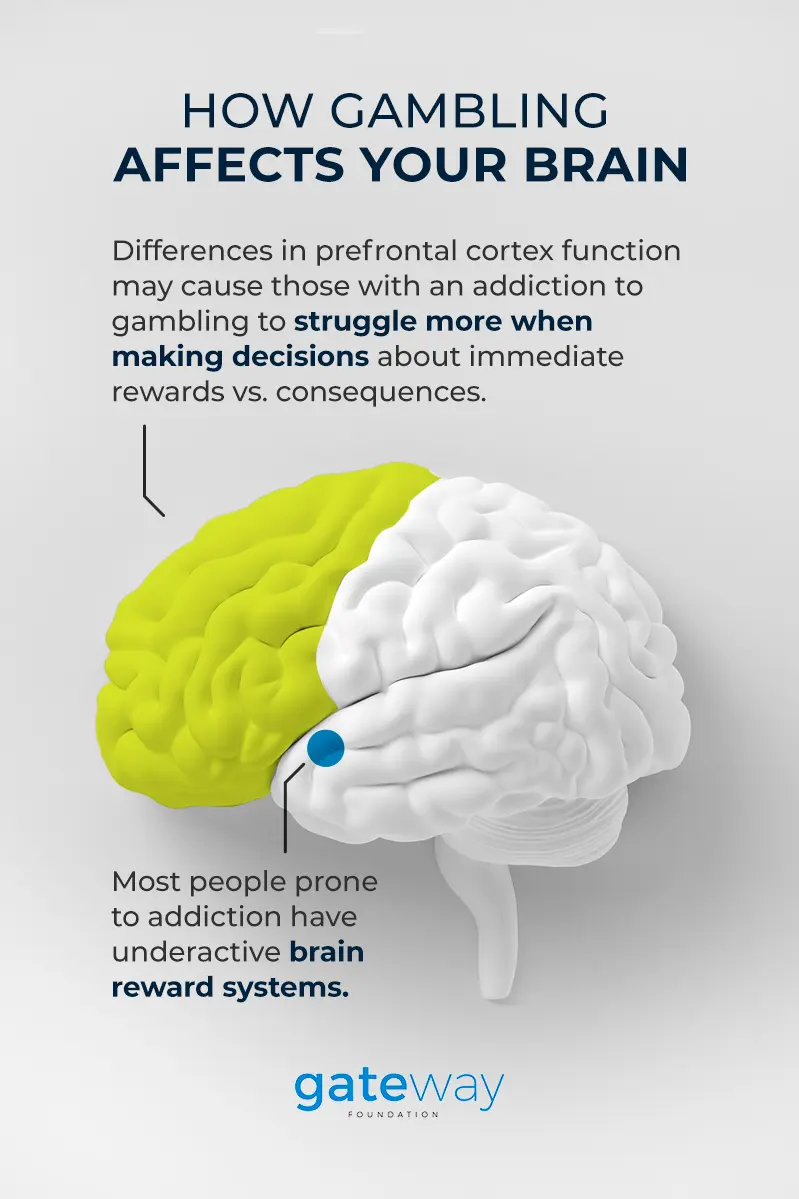
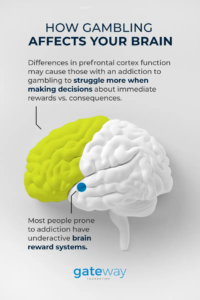
Research from institutions like the Institute of Cognitive Neuroscience (ICN) at University College London focuses on control circuits. Their findings indicate that problem gamblers often show reduced activation in the prefrontal cortex, a region vital for executive functions like impulse control, decision-making, and evaluating future risks. This neural signature of impaired inhibitory control is a key target for therapeutic interventions.
Behavioural Addiction Genetics: Is Gambling in Our Genes?
The question of heritability is central to understanding vulnerability. UK researchers are leveraging large-scale genetic databases to explore the inherited components of gambling disorder, moving from broad estimates to pinpointing specific biological pathways.
Twin Studies and Heritability Estimates
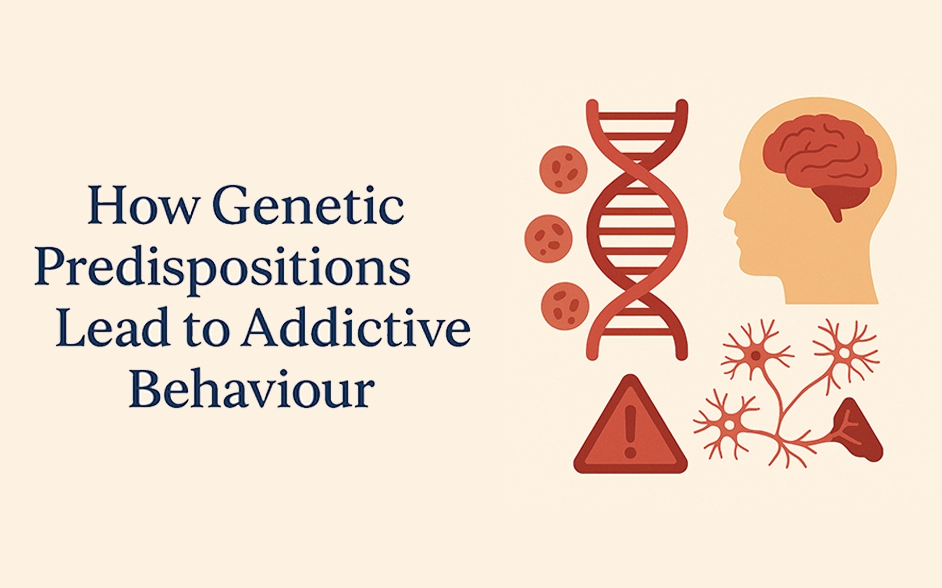
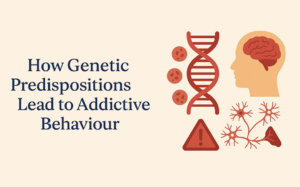
Family and twin studies have long suggested a genetic component, with heritability estimates for gambling disorder ranging from 40% to 60%. These studies, which compare concordance rates between identical and non-identical twins, provide compelling evidence that genetic factors significantly influence an individual’s susceptibility, independent of shared environmental influences like family attitudes towards gambling.
Polygenic Risk Scores and the Search for Specific Markers
The UK Biobank’s vast genetic and health data resource has been transformative. By analysing genome-wide data from hundreds of thousands of volunteers, scientists can compute polygenic risk scores for behavioural traits. Initiatives like the international CHARGE consortium and dedicated projects such as Charlotte’s Helix contribute to this effort, helping to identify the multitude of genetic variants—each with a tiny effect—that collectively influence traits like impulsivity and reward sensitivity, which are foundational to gambling addiction.
Co-Occurring Disorders and Mental Health Links
Problem gambling is frequently entwined with other mental health conditions. UK clinical data underscores the necessity of integrated care within the NHS, as treating gambling disorder in isolation often overlooks critical compounding factors.
The Bidirectional Relationship with Depression
The link with depression is particularly strong and bidirectional. The distress and financial ruin caused by gambling can precipitate major depressive episodes. Conversely, individuals may gamble in an attempt to alleviate negative moods or anhedonia associated with depression, creating a self-destructive cycle. This complexity demands a holistic treatment approach that addresses both conditions concurrently.
Alcohol and Gambling: A Dangerous Synergy
Co-occurrence with substance use disorders, especially alcohol misuse, is common. Alcohol disinhibits behaviour and clouds judgement, leading to riskier betting and larger losses. Simultaneously, the stress and shame of gambling problems can drive increased alcohol consumption as a coping mechanism. This dangerous synergy amplifies harm and presents a significant challenge for addiction services, highlighting the need for specialised dual diagnosis programmes.
Emerging Frontiers: Technology and Targeted Interventions
The application of UK research is leading to innovative prevention and treatment tools, blending digital technology with novel clinical approaches to offer new hope for harm reduction and recovery.
Digital Tools and Harm Reduction
Digital interventions provide practical, scalable solutions for harm reduction. Blocking software like ‘Gamban’ empowers individuals to create a technological barrier against gambling sites across all devices. The UK has been a leader in developing such tools, which also include:
- The national GAMSTOP self-exclusion scheme, allowing users to ban themselves from all UK-licensed gambling websites.
- Behavioural tracking apps that monitor time and money spent, offering personalised insights and alerts.
- Digitally delivered cognitive behavioural therapy (CBT) programmes, making evidence-based psychological support more accessible outside traditional clinic settings.
Neuromodulation: A Future Treatment Avenue?
Looking to the future, neuromodulation techniques aim to correct the neural dysfunctions identified by brain imaging research. Pioneering trials at King’s College London are investigating the use of Transcranial Magnetic Stimulation (TMS) for addiction. By applying targeted magnetic pulses to specific brain areas like the prefrontal cortex, TMS may help ‘reset’ activity patterns, strengthen cognitive control, and reduce cravings in individuals with gambling disorder, offering a potential adjunct to psychotherapy.
This growing body of UK science is vital for replacing stigma with effective, neuroscience-informed treatment and policy. By elucidating the biological and genetic bases of gambling addiction, research empowers healthcare providers, policymakers, and the public to view problem gambling through a compassionate, medical lens, ultimately fostering more effective prevention and recovery strategies.


Post Comment
You must be logged in to post a comment.